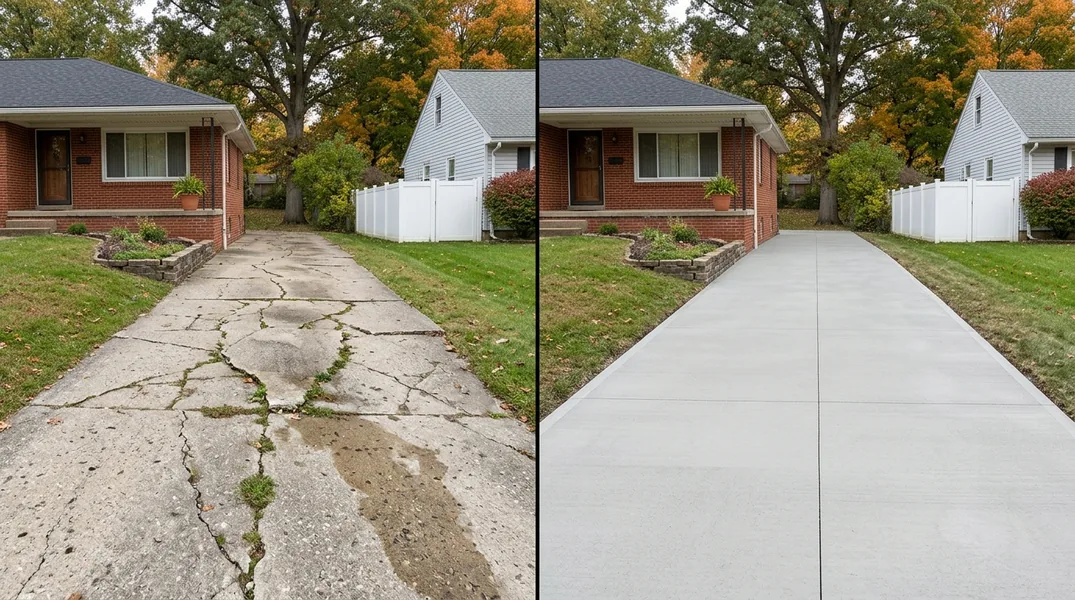
Why Timing Matters for Concrete Pouring in Akron
When you're planning a Concrete Driveways project in Akron, one of the most important decisions isn't about design or materials, it's about when to actually pour. The timing of your concrete installation directly affects how well it cures, how long it lasts, and ultimately how much you'll spend on repairs down the road. Many homeowners don't realize that Ohio's four distinct seasons create very different conditions for concrete work, and getting the timing wrong can lead to cracking, weak spots, and premature deterioration.
The concrete curing process is sensitive to temperature and moisture. When conditions aren't ideal, the concrete doesn't cure properly, which means it won't reach its full strength potential. This is especially true in regions like Akron where winters are cold and unpredictable. Understanding when to pour concrete isn't just about comfort for the crew, it's about ensuring your investment stands the test of time.
Spring and Fall: The Prime Concrete Pouring Season in Akron
If you're asking when to pour concrete in Ohio, the answer is straightforward: spring and fall are your best windows. These seasons offer moderate temperatures, moderate humidity levels, and relatively stable weather patterns that allow concrete to cure slowly and evenly. In Akron, spring typically runs from late April through May, while fall stretches from September through early October. During these months, daytime temperatures usually hover between 50 and 75 degrees Fahrenheit, which is considered ideal for concrete work.
Spring is particularly popular for concrete projects because winter damage has been assessed, homeowners are thinking about outdoor improvements, and the soil has dried out enough for proper site preparation. Fall offers similar advantages with the added benefit that your project will be complete before winter weather arrives. When you pour concrete during these seasons, the curing process happens at an optimal pace. The concrete won't cure too quickly (which can cause surface cracking) or too slowly (which delays project completion and exposes the fresh concrete to rain and freeze-thaw cycles). This is why most professional concrete contractors in Akron schedule their busiest work during spring and fall months.
Concrete Curing in Cold Weather: Why Winter Pours Are Risky
Winter concrete pouring in Ohio comes with serious challenges that many homeowners underestimate. When temperatures drop below 50 degrees Fahrenheit, the hydration process that allows concrete to cure slows dramatically. Below 40 degrees, curing essentially stalls. This means a concrete driveway poured in January might not reach full strength until well into spring, if at all. Even worse, if the fresh concrete freezes before it's had time to cure properly, the water inside expands and causes permanent damage in the form of scaling, spalling, and cracking that can't be repaired.
The risks of concrete curing in cold weather extend beyond just slow curing times. Ohio winters bring freeze-thaw cycles where temperatures fluctuate above and below freezing. Fresh concrete is especially vulnerable during these cycles because it contains free water that hasn't yet been fully incorporated into the concrete matrix. When that water freezes and thaws repeatedly, it creates internal stress that leads to surface damage and structural weakness. This is why experienced Concrete Driveways contractors avoid pouring during winter months whenever possible. If you absolutely must pour in winter, you'll need special additives, protective coverings, and extended curing time, all of which add significantly to your project cost.
Summer Pouring: Possible But Requires Careful Planning
Summer might seem like an obvious choice for outdoor concrete work, but it actually presents its own set of challenges for the concrete pouring season in Akron. High temperatures cause concrete to cure too quickly, which sounds good but actually creates problems. When concrete cures too fast, the surface dries before the interior has fully hydrated, leading to surface cracking and reduced overall strength. Additionally, summer heat can cause the concrete to shrink unevenly, resulting in stress cracks that compromise both appearance and durability.
If you do decide to pour Concrete Patios or driveways during summer, you'll need special precautions. Your contractor should pour early in the morning or late in the afternoon to avoid peak heat, use water-retentive coverings to slow the curing process, and potentially add retarders to the concrete mix. The concrete will also need more frequent misting during the first few days to keep it from drying too quickly. These extra measures add time and expense to your project, which is why most homeowners choose to schedule their concrete work for spring or fall instead.
Planning Your Concrete Project: How to Choose the Right Time
The best approach to scheduling your concrete work in Akron is to plan ahead and be flexible about timing. If you're considering Concrete Repair & Resurfacing or a new installation, reach out to Akron Concrete Pros early in the year to discuss your timeline. Professional contractors often book their spring and fall schedules months in advance, so calling ahead ensures you get your preferred dates. If you're flexible, you might even get better availability and potentially more favorable pricing by scheduling during shoulder seasons like late April or early September.
When you contact us at (234) 901-3099, our team can help you understand how weather patterns might affect your specific project. Different types of concrete work have different requirements. A simple driveway might be more forgiving than Stamped & Decorative Concrete, which requires more precision and careful curing conditions. We'll also discuss your site conditions, drainage patterns, and any existing damage that might influence the best timing for your project. Getting a free estimate gives you the opportunity to ask these questions and make an informed decision about when to move forward.
What to Expect After Your Concrete is Poured
Once your concrete is poured, the curing process continues for weeks. During the first seven days, the concrete reaches about 70 percent of its final strength. By 28 days, it should reach full strength, assuming conditions have been favorable. During this time, you'll need to keep the concrete protected from traffic, standing water, and extreme temperature swings. If you pour in spring or fall, nature will cooperate with this process. If you pour in summer or winter, you'll need to take active steps to protect your investment.
This is why choosing the right concrete pouring season in Akron isn't just about convenience, it's about durability and long-term value. A properly cured concrete driveway can last 30 to 40 years with minimal maintenance. A poorly cured one might start showing problems within just a few years. By scheduling your project during spring or fall and working with an experienced local contractor like Akron Concrete Pros, you're investing in a foundation that will serve your home reliably for decades. Call us today at (234) 901-3099 to schedule your project during the ideal concrete pouring season.
Looking for a professional concrete contractor in Akron? Akron Concrete Pros responds fast for all your concrete needs.
Get a Free QuoteOur services: Concrete Driveways · Concrete Patios · Stamped & Decorative Concrete